Timeless Interiors: A Home That Never Goes Out of Style
Timeless interiors aren't about any one style. They're about materials, restraint, and buying slowly — here's how to build a home that lasts.
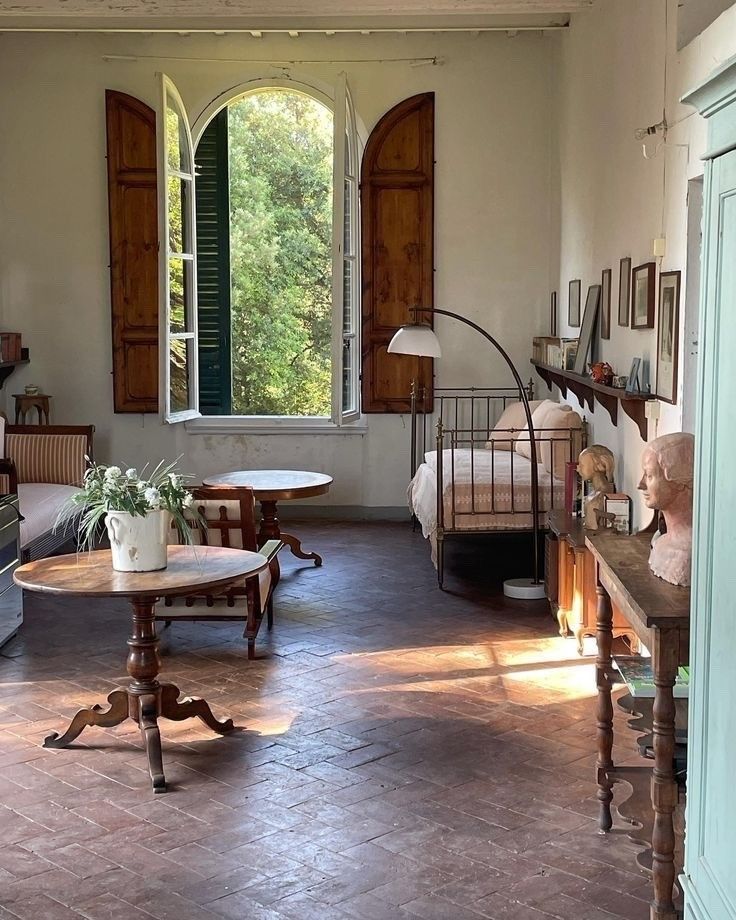
There's a room that keeps showing up in old issues of AD Italia and dog-eared shelter magazines from the eighties. Plaster walls, a low sofa in natural cotton, a wooden table worn smooth with use, one good piece of art propped against the baseboard. It doesn't look like any particular decade. Timeless interiors are like that. They just look right. You could move in tomorrow and feel completely at home.
That's not a style, exactly. It's more of a discipline. Knowing what to reach for, and knowing what to leave alone. It requires developing a kind of patience most of us weren't taught when it comes to decorating.
Buy for Longevity, Not the Moment
The rooms that hold up over time tend to share a quiet logic: the materials are honest, the proportions are considered, and nothing is trying too hard to be interesting. A side table in oiled oak. A hand-thrown ceramic that catches afternoon light from across the room. A natural-fiber rug that gets better with age rather than worse. These aren't boring choices. They're confident ones.
The mistake most people make isn't buying the wrong things. It's buying things too quickly, before they understand what the room actually needs. Timeless spaces are almost always assembled slowly. You live with a gap for a while. You wait until something feels right rather than filling the wall because the wall is empty.
It sounds simple, and it is. But it requires resisting a particular kind of anxiety, the feeling that an unfinished room is a problem to be solved. In fact, the pause is often where the room gets its character.
Texture Does What Color Can't
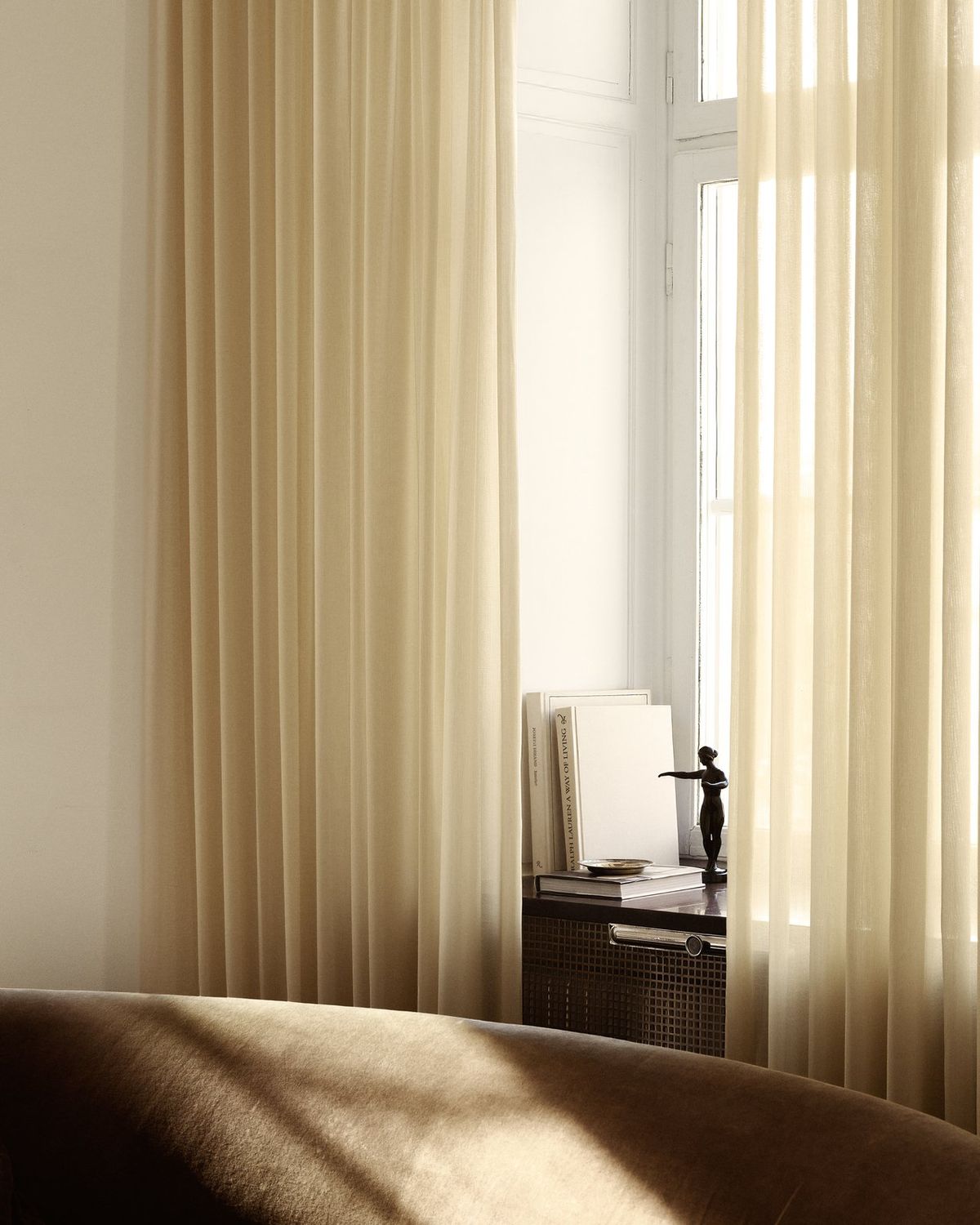
One of the easiest ways to date a room is to lean too hard on color as the main event. Colors shift, fall in and out of cultural moment, and look completely different under changing light in ways that textures simply don't. A warm cream linen curtain panel hanging at full height will look as considered in ten years as it does today. The same can't be said for most things that trend on mood boards.
Texture is what gives a room its atmosphere. Raw wood against smooth plaster. A woven cotton stripe on a cushion beside a solid linen throw. Ceramic next to travertine. It's contrast and layering that make a room feel alive, not color blocking or statement walls. When in doubt, add something with grain or weave before you reach for the paint chip.
Texture is what gives a room its atmosphere — contrast and layering, not color blocking.
This is also where a lot of rooms fall short. They have a color palette but no tactile depth. Everything reads the same weight. The fix is usually simpler than people expect: a jute runner underfoot, a rough-hewn wooden bowl on the table, a linen cushion with a little slub in the weave. Small things, but they change how the room feels to be inside.
The Art Question
No room becomes timeless without art, and yet art is where a lot of people stall. They're waiting for the right piece, the perfect thing, when really the principle is simpler: it should mean something to you, and it shouldn't match the sofa.
Abstract works, naive paintings, loose landscapes, photography from someone you've actually met. Pieces that look like they were found rather than coordinated. Art that leans against the baseboard or gets hung slightly lower than convention says it should. The rooms that photograph well, the ones that feel like a person actually lives there, almost always have something on the wall that surprises you a little.
Don't wait for the gallery visit that changes your life. A small sketch framed carefully, a print you've had since your twenties, a painting picked up at a market abroad. These things carry time in them, and time is exactly what makes a room feel considered rather than assembled.
What You Can Always Come Back To
There are a handful of things that have never really gone anywhere, and probably won't. Good linen. Natural wood. Stone surfaces, even in small amounts like a marble fruit bowl in the kitchen. Stripe patterns in woven cotton that read more like craft than trend. A ceramic lamp with an organic silhouette, the kind that looks like it was shaped by hand because it was.
These aren't safe choices in a timid sense. They're anchors. The pieces you build around because they hold their weight across years and rooms and changing tastes. Add one thing from this category and suddenly the space has a point of view. It gives everything else something to lean against.
The other thing these materials share is that they tend to improve over time rather than degrade. Linen softens. Wood deepens. Stone gets a patina. You're not buying something that will look slightly worse in five years. You're buying something that will look better.
Let the Room Breathe
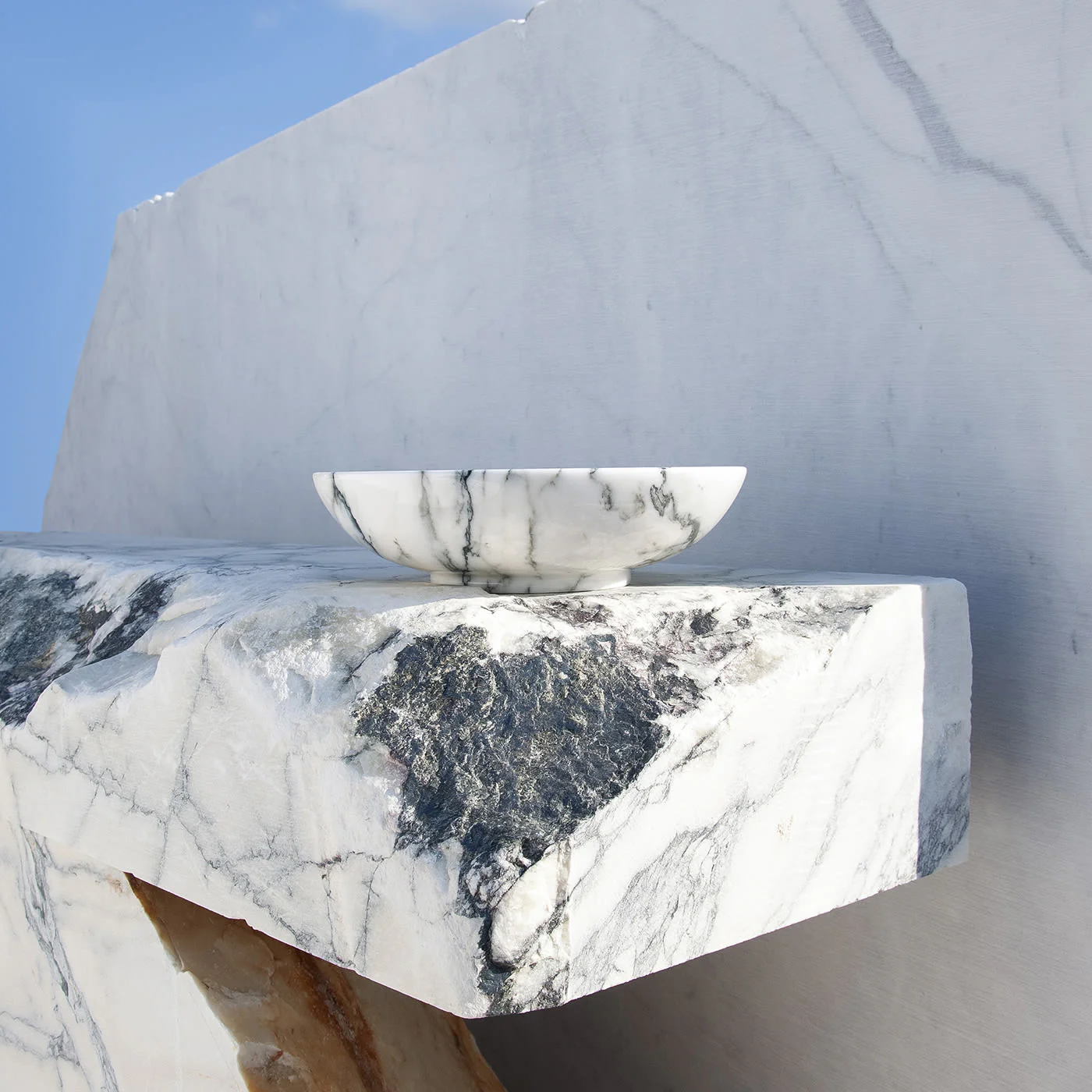
There's a tendency, once you start caring about how a room looks, to keep adding. Another object, another layer, another considered detail. But some of the most enduring interiors are notable for what they leave out. A surface with one ceramic and a lot of empty space around it. A shelf with three books and a candle. Restraint that feels intentional, not unfinished.
The rooms that last are the ones where there's somewhere for the eye to rest. Negative space isn't emptiness. It's editing. And editing is a skill that takes longer to develop than taste.
The rooms worth living in weren't finished in a weekend. They came together over years, with a mix of things inherited, found, and slowly chosen. That accumulation is visible in a good interior. You can feel it. The room has a history even if you can't name it. Trust the process of building slowly, and the room will tell you what it needs next.